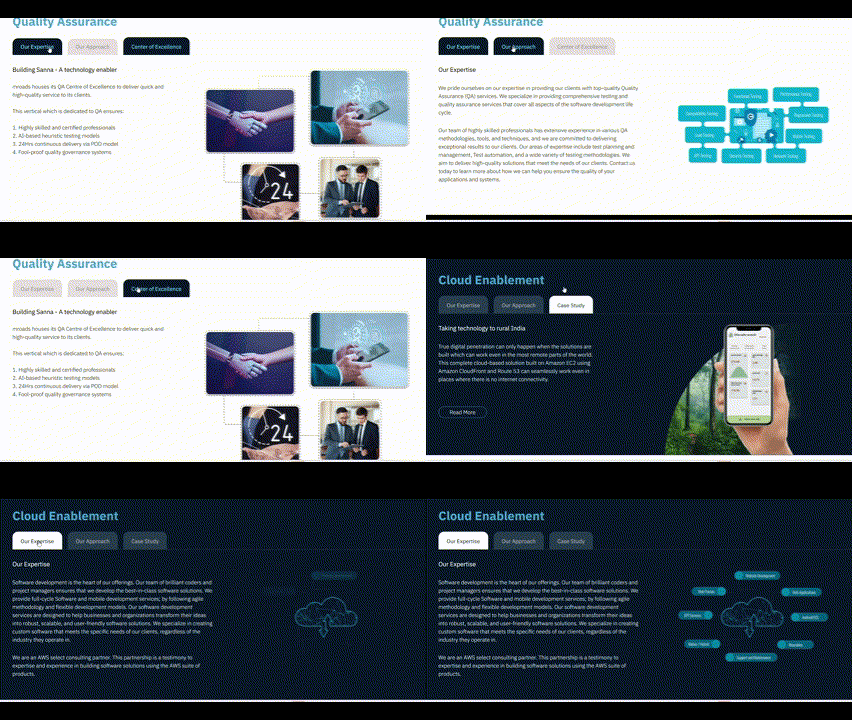
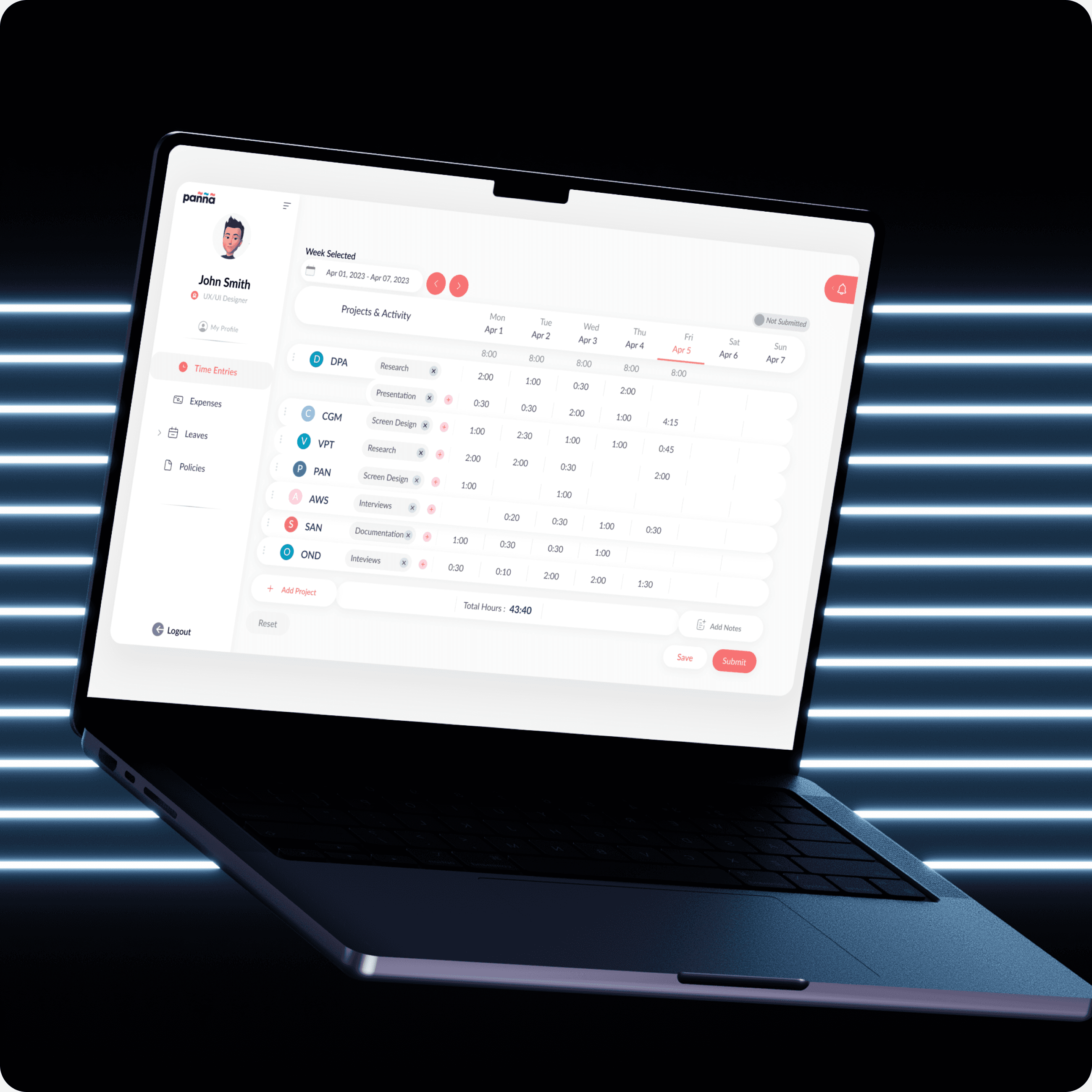
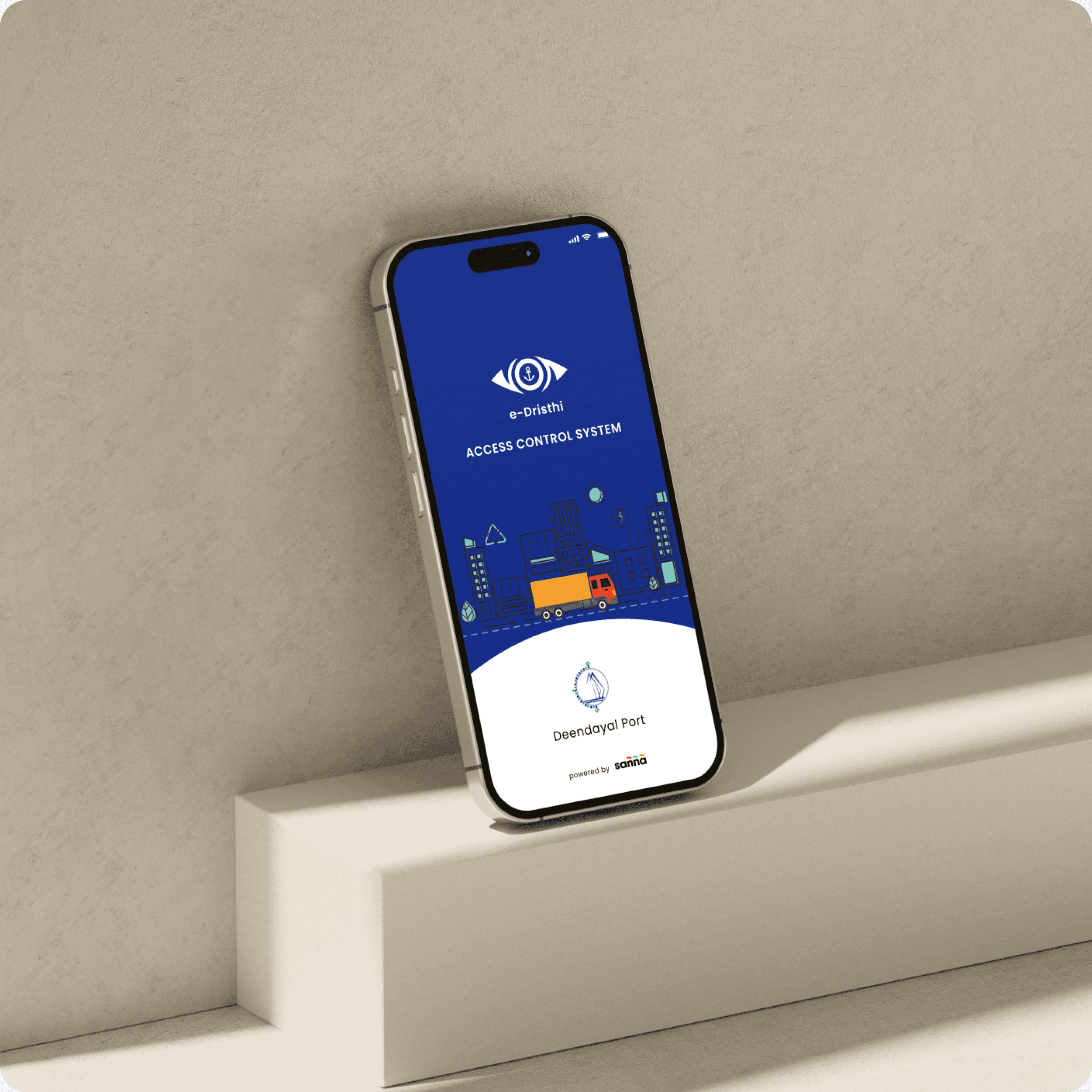
Complete rebranding initiative for mroads
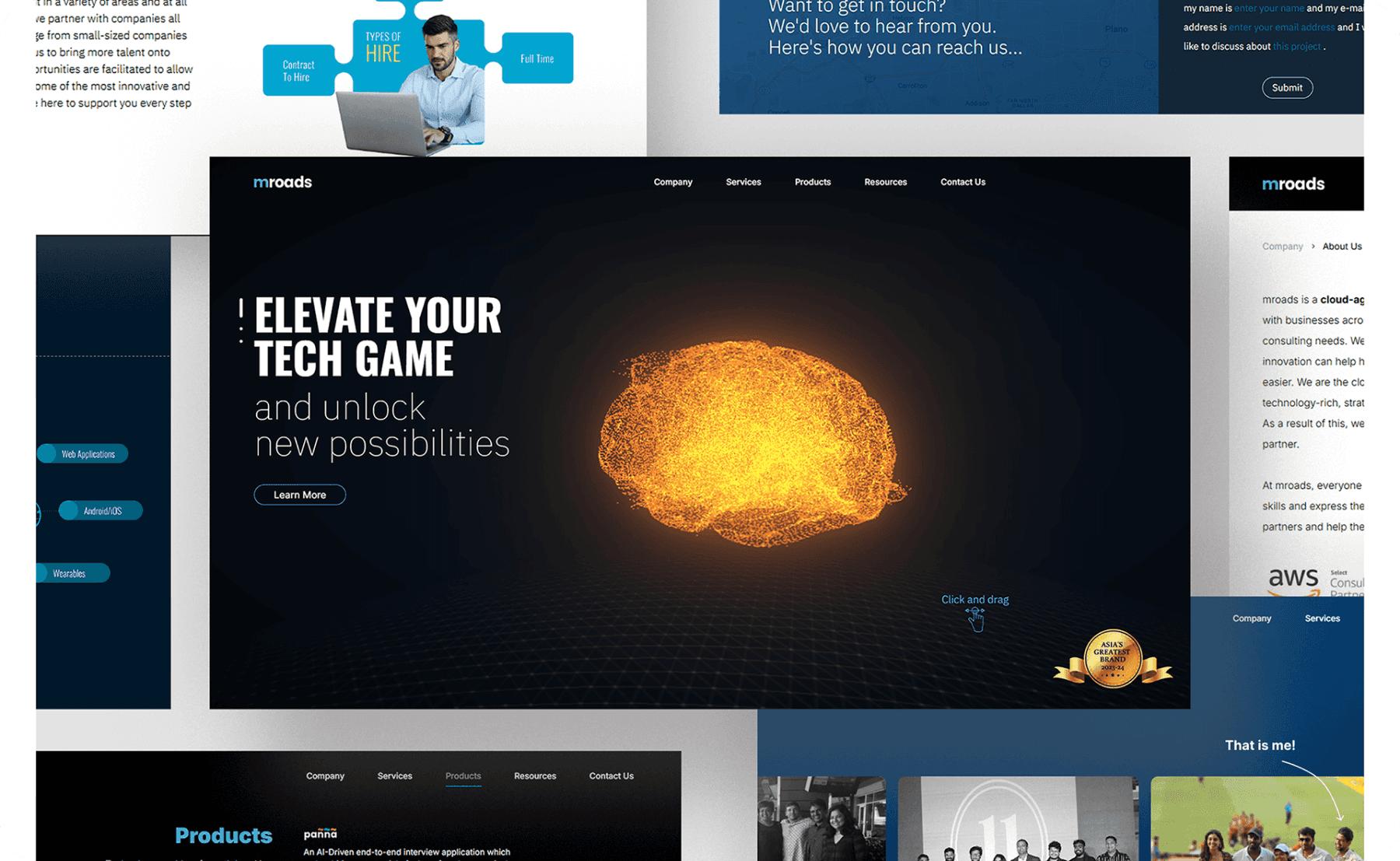
This case study details a complete rebranding initiative for mroads.com, an AI-powered technology services and talent solutions platform. By combining lean UX research, agile design methodology, and rapid prototyping, the redesign transformed the platform's digital presence to accurately reflect its innovative positioning as a market leader in digital expertise, talent solutions, data science, DevOps, cloud enablement, and quality assurance services
Year
10.25
Scope
Branding, UI
Timeline
4 weeks
Overview
mroads.com is a technology-driven hiring platform that connects companies with talent through AI-powered solutions. Despite having established itself as an innovative player in the recruitment space, the platform had become dated and misaligned with its modern capabilities. When I joined the project as a UX Designer, the platform was facing several critical usability issues:
The platform’s identity did not fully align with its cutting-edge AI-powered offerings.
Users found the UI cluttered and challenging to navigate.
The visual and interaction design lacked a clear hierarchy, making key functionalities less intuitive.
 | 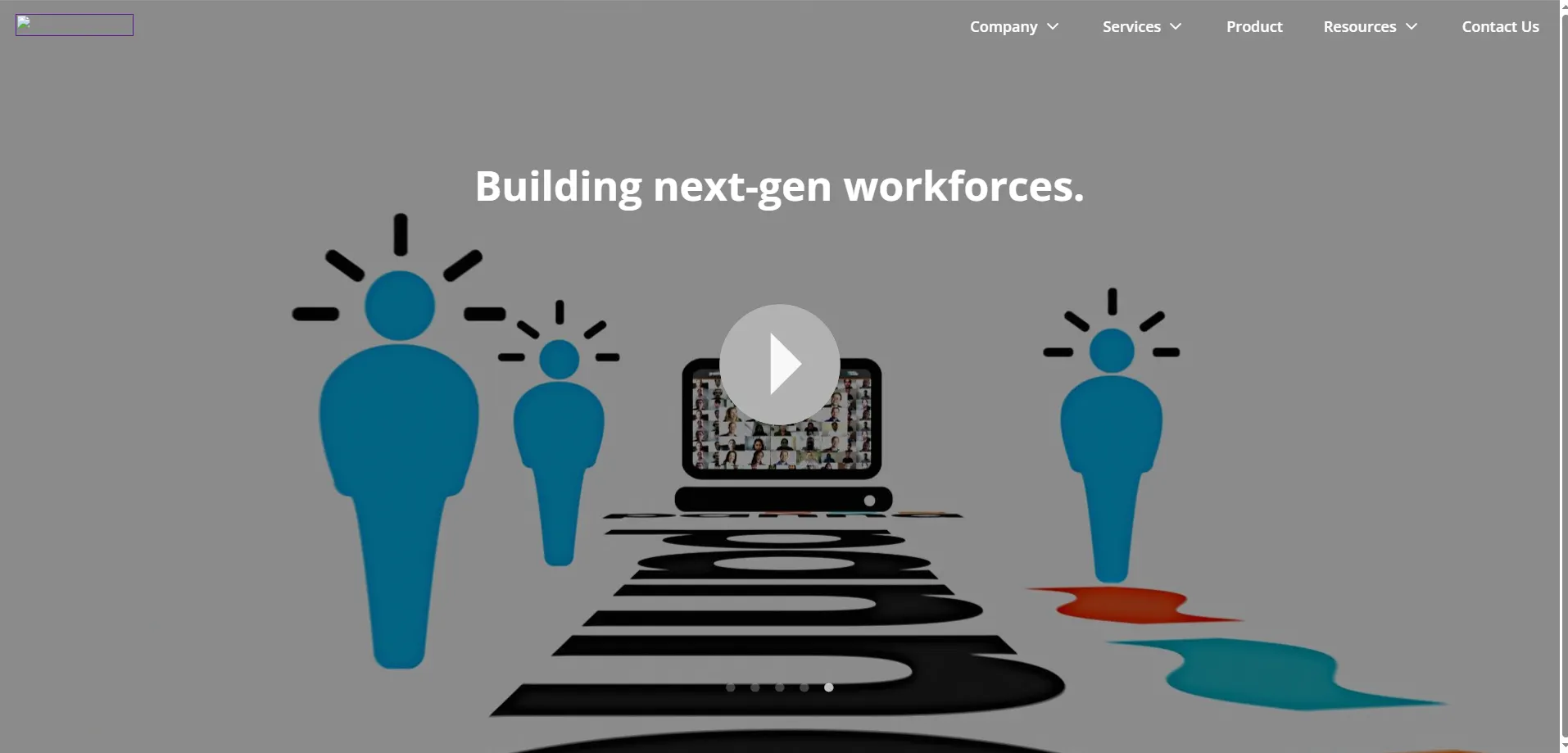 |
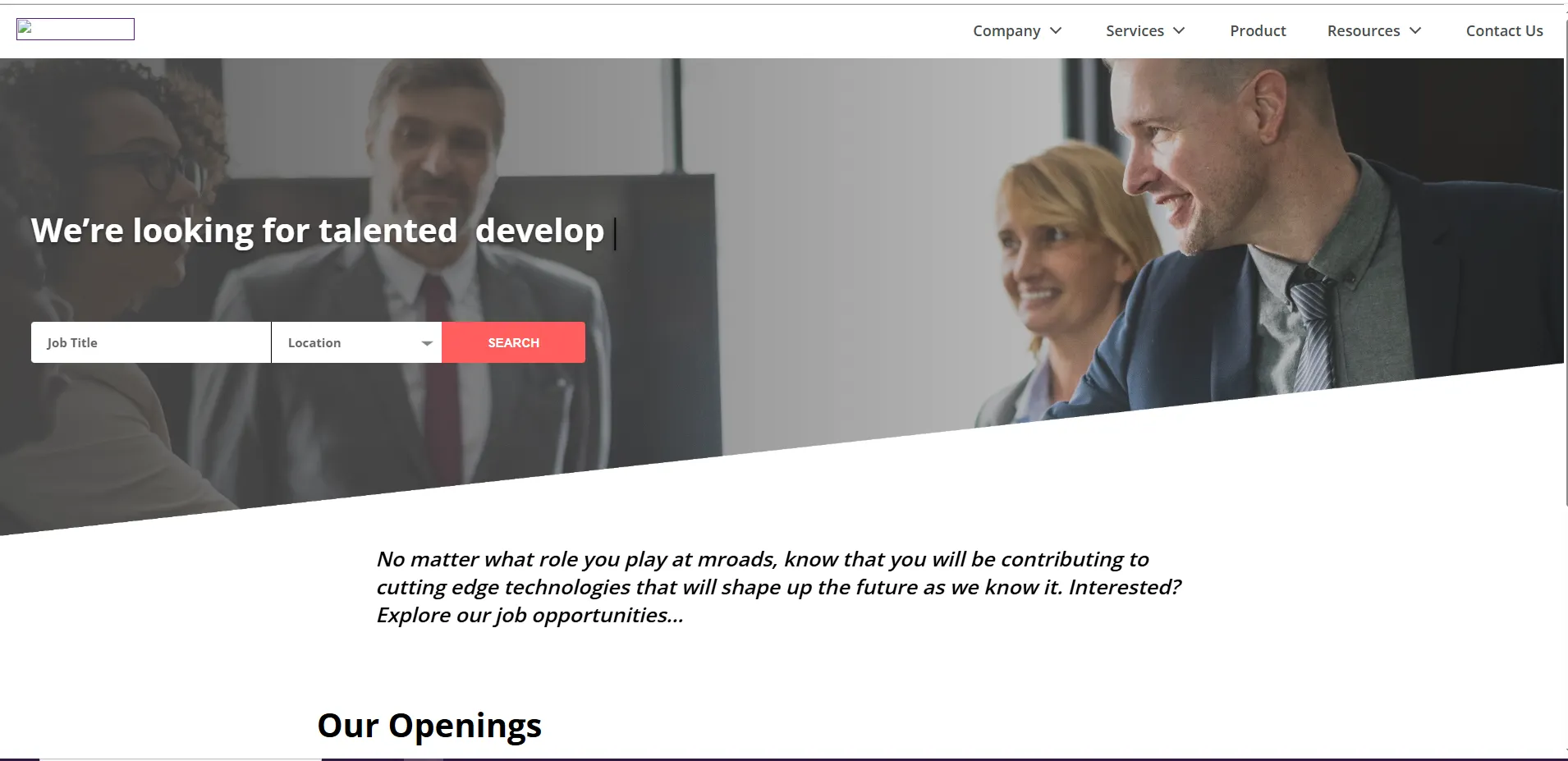 | 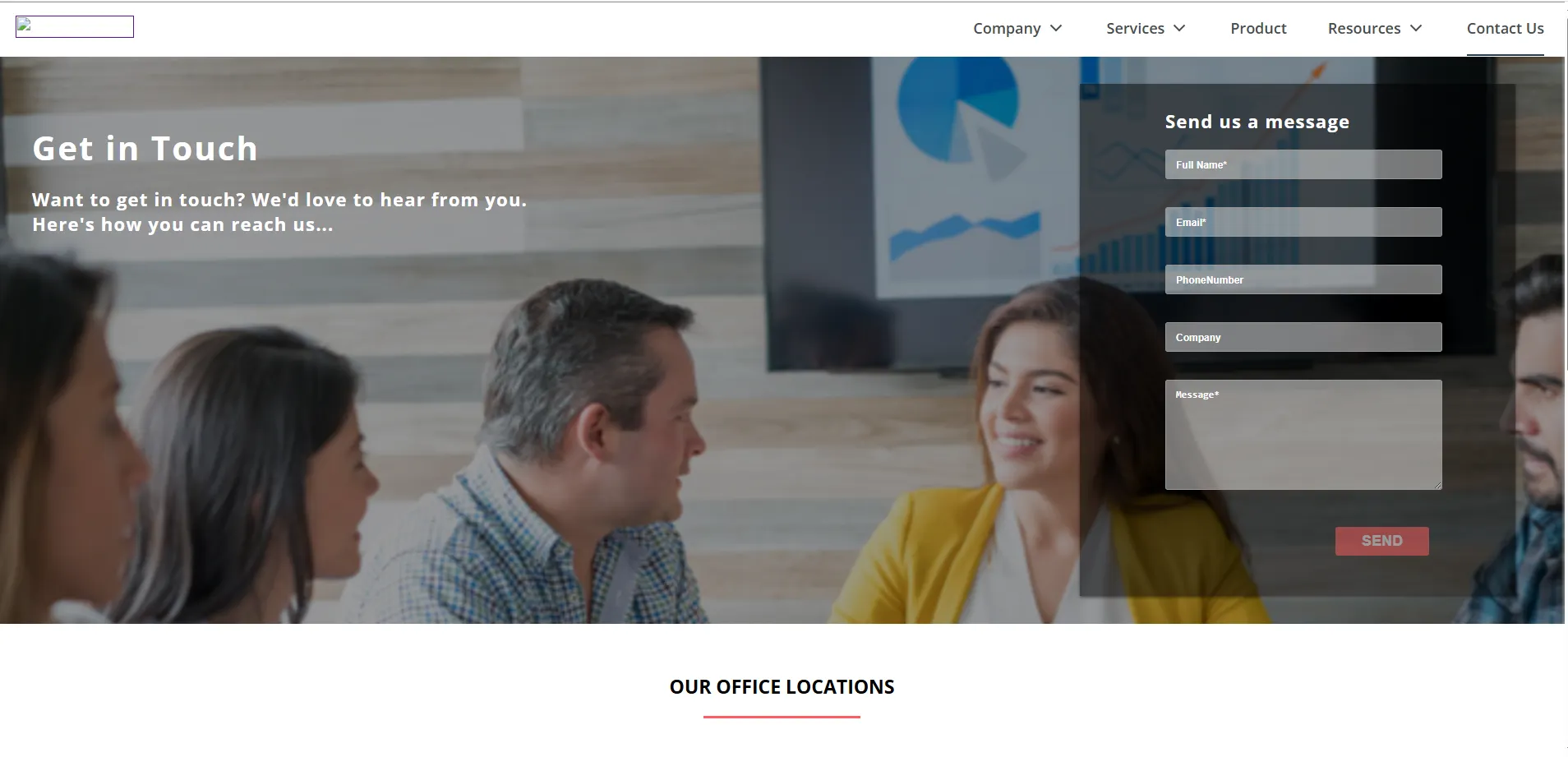 |
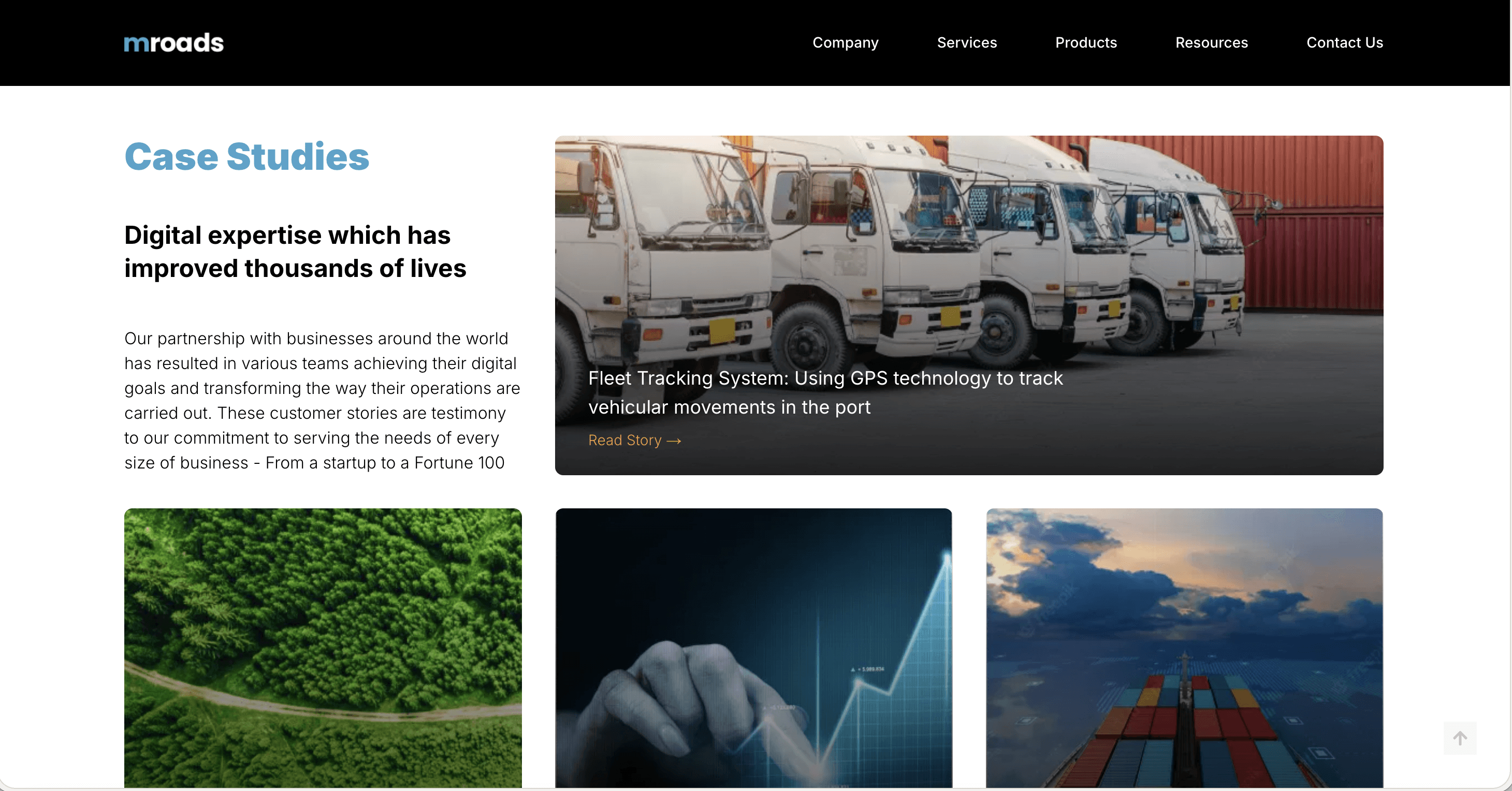
Earlier Design

UX Strategy: Research, Ideation, and Execution
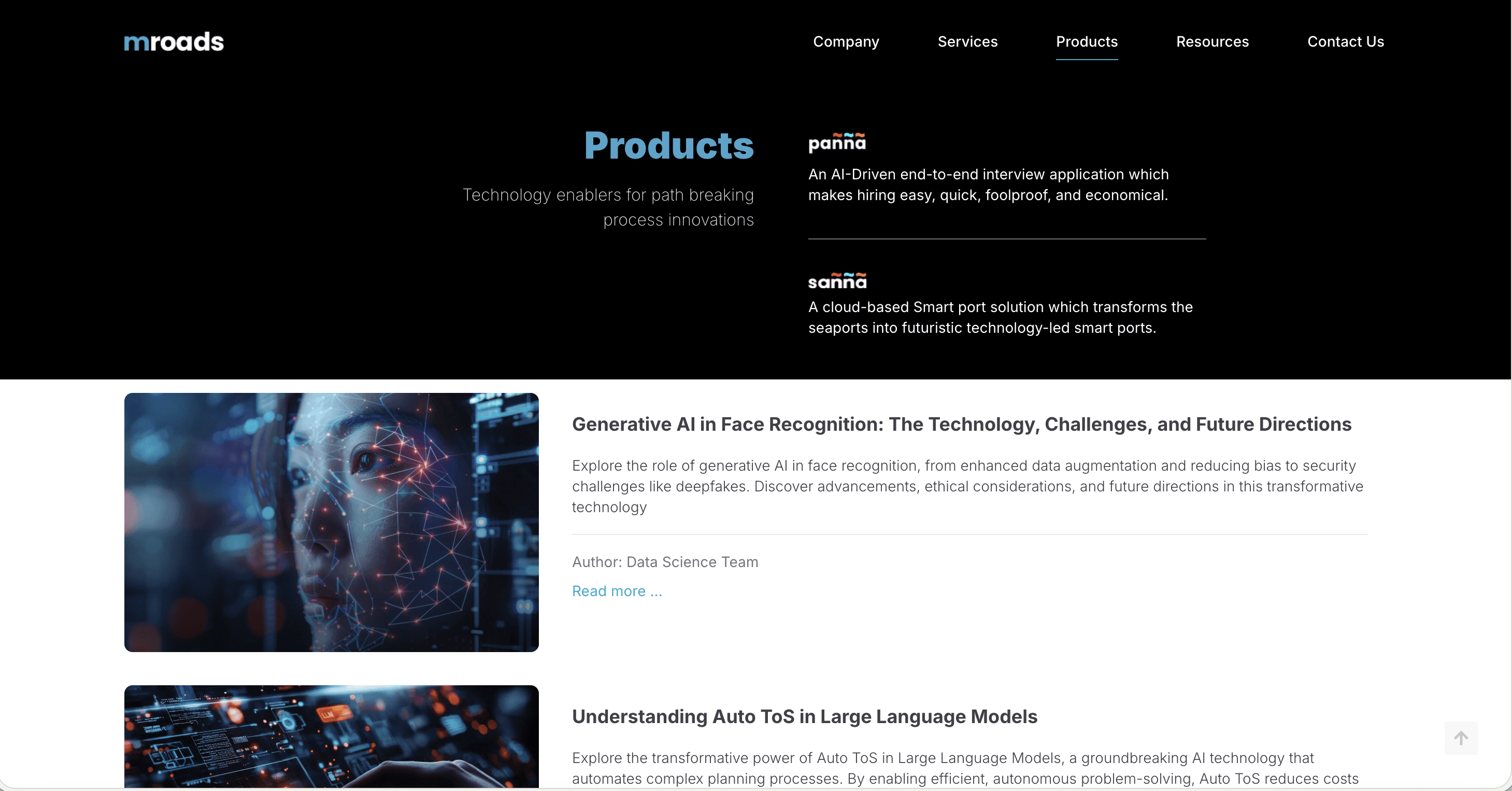
2. Lean User Research
Given the agile nature of the project, we adopted a lean approach to research, focusing on rapid insights and iterative improvements:
User Interviews & Quick Surveys: Gaining feedback from recruiters and job seekers in short, structured sessions.
Heuristic Evaluation: Identifying usability pain points efficiently.
Competitor Analysis: Conducting a quick benchmark to extract best practices without extensive deep dives.
1. Agile Rebranding Process
With research insights in place, we implemented an agile design strategy that emphasized:
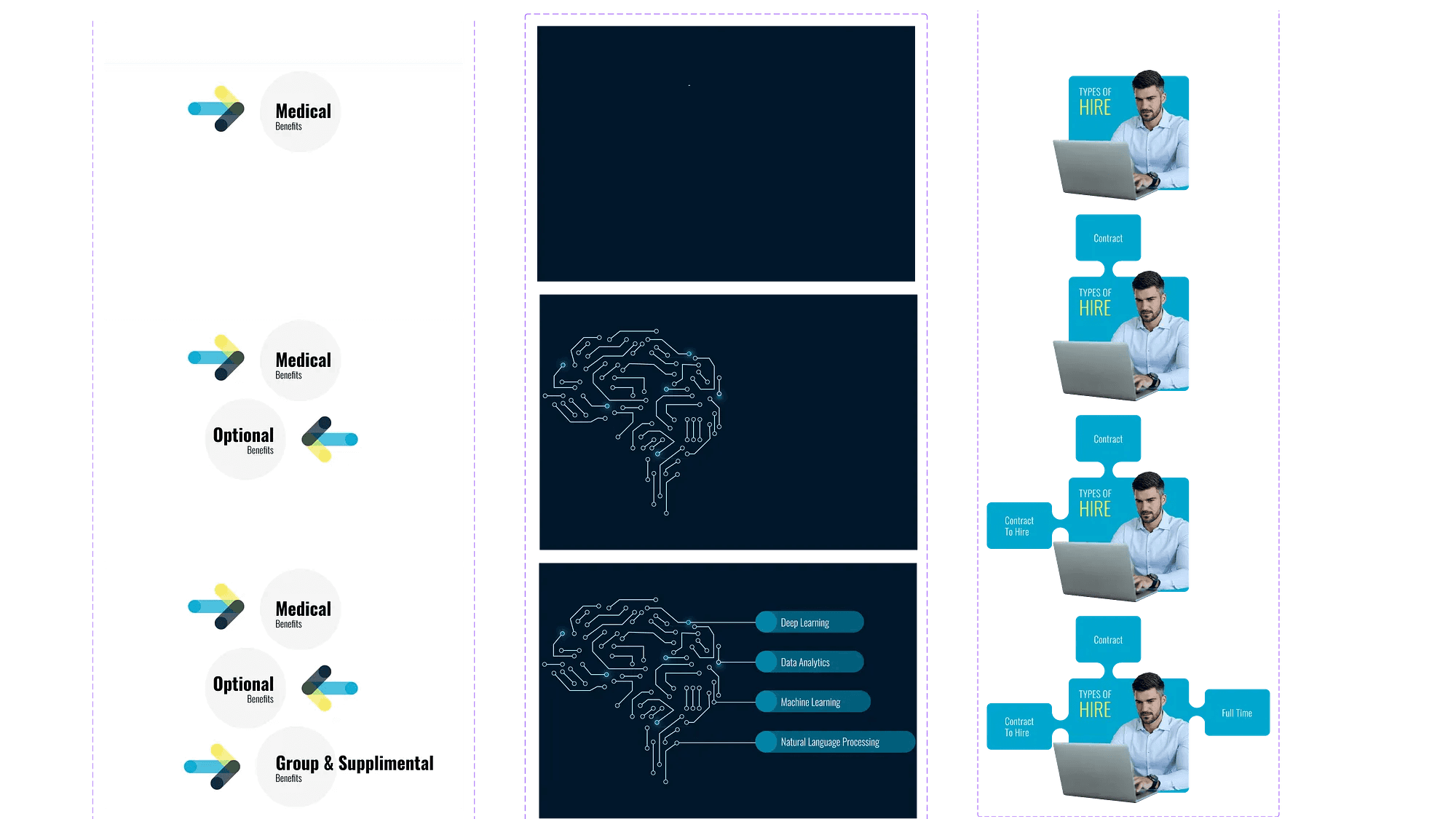
A Fresh Visual Identity: A modern design system that was developed and iterated in sprints.
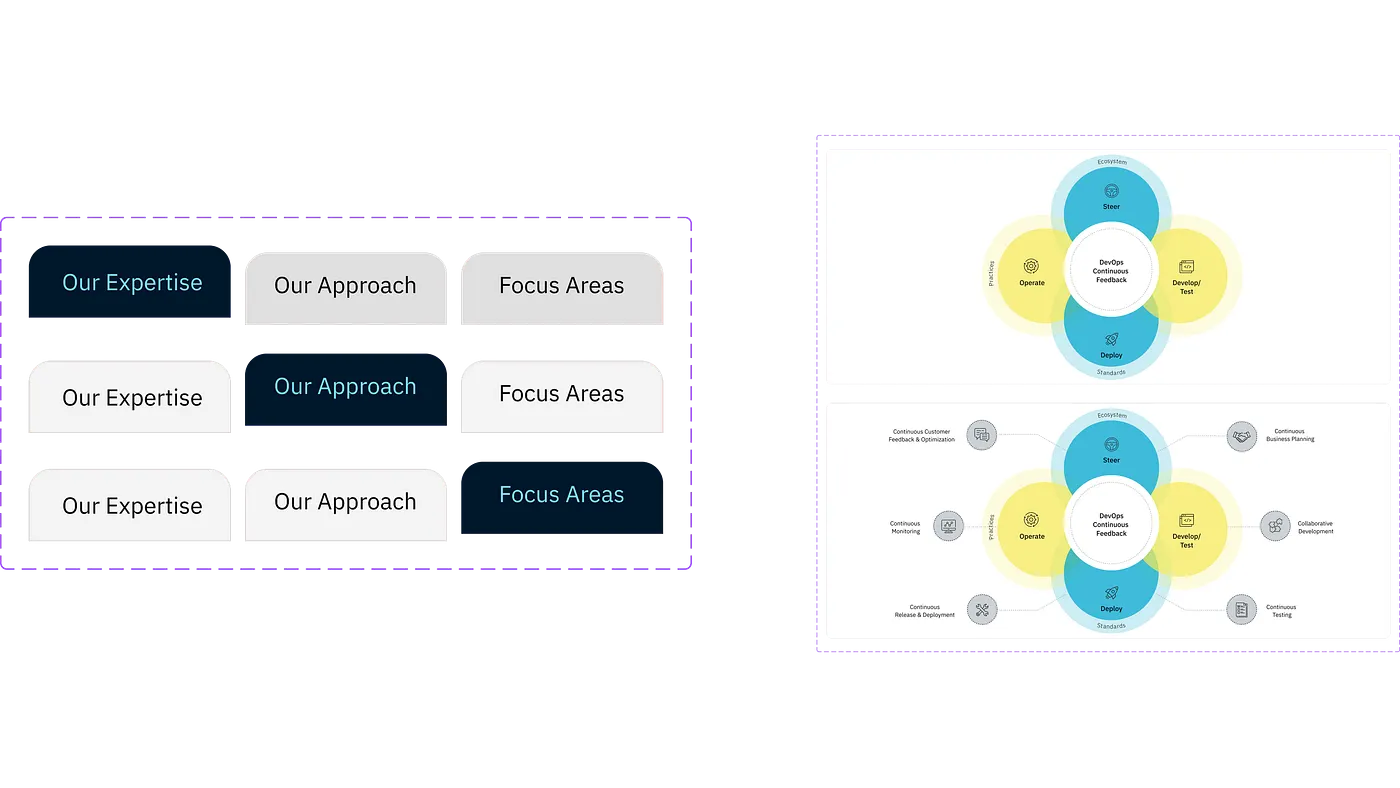
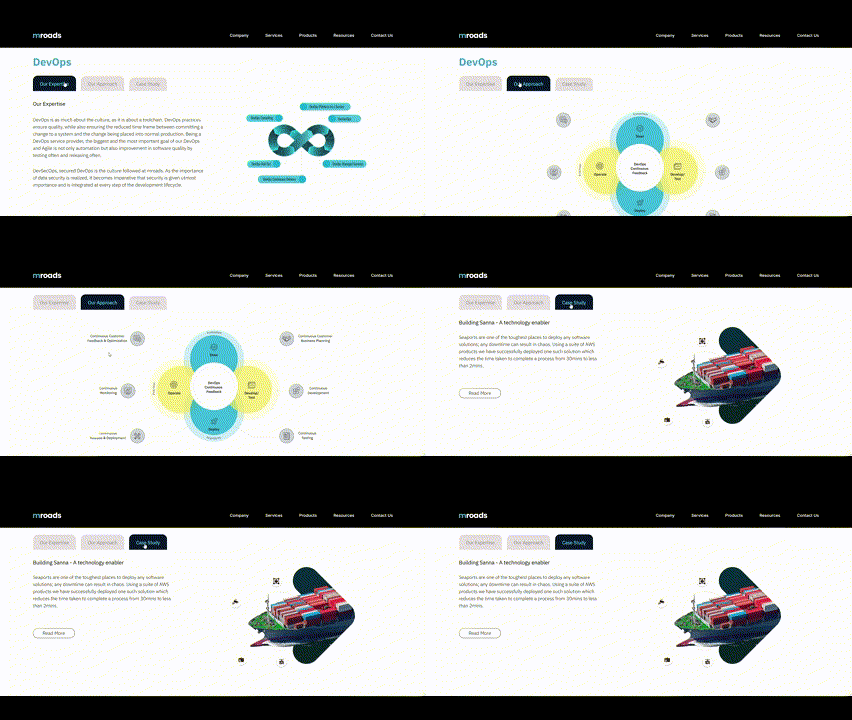
Incremental Navigation Improvements: Rather than overhauling the navigation in one go, we introduced changes progressively.
Scalable UI Patterns: Establishing a design system that could be updated in iterative cycles.
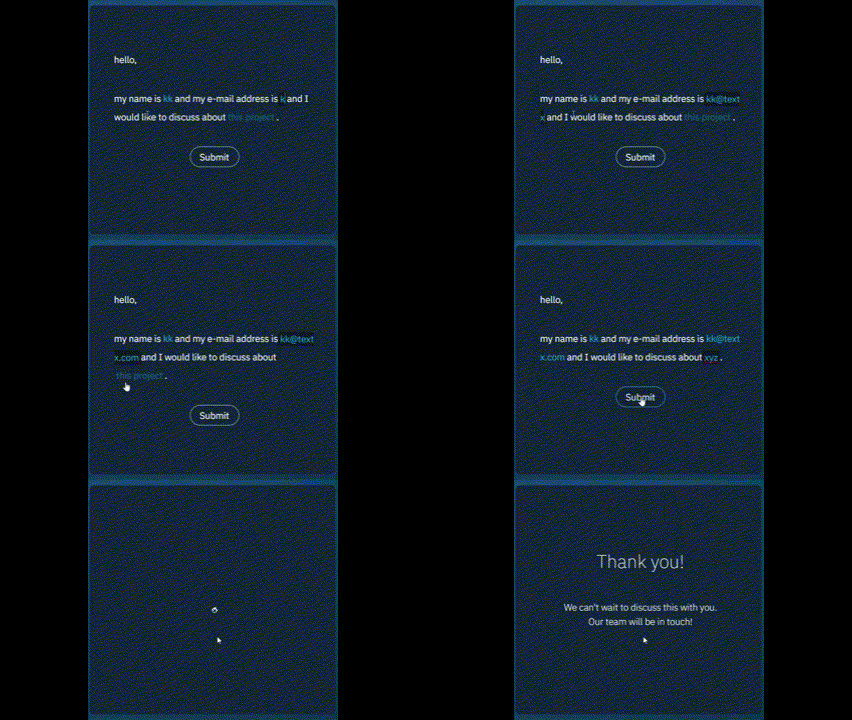
Accessibility in Every Sprint: Instead of tackling accessibility at the end, we embedded it into each sprint cycle.
 |  |
 |  |